
Our entire biotech sector is built on the ability to control two of life’s foundational biopolymers – think DNA and proteins. Recombinant biotechnology, gene editing – being able to program life has unlocked incredible value. But controlling the third class of biopolymer has been tricky. Long chains of sugars called glycans cluster on every surface of our body and many of our drugs, but engineering them is closer to cooking than to coding.
Augment Bio has built an AI that lets us write in glycan code to take control of a whole new dimension of engineering biological drug – a $450 billion global market.
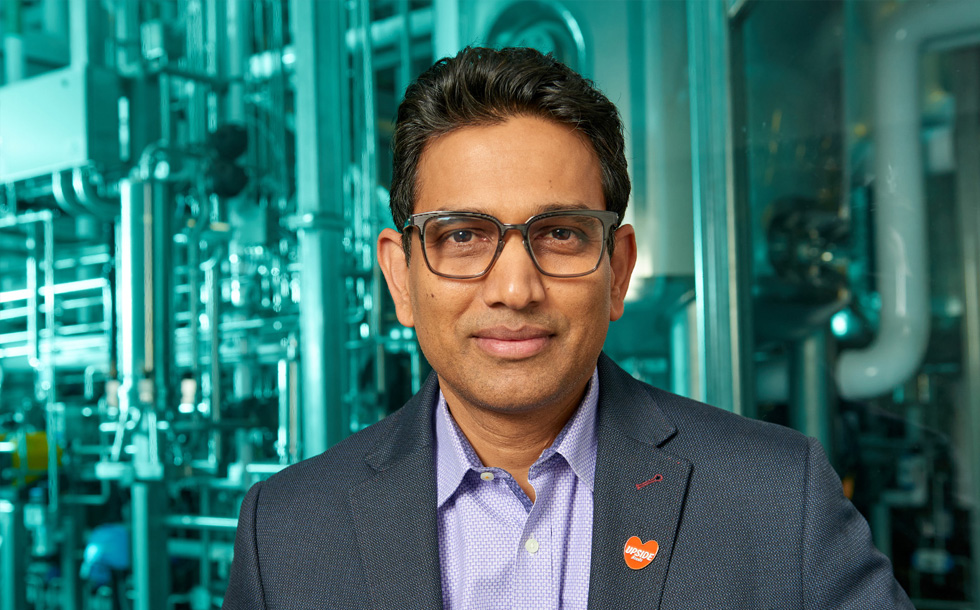
This interview took place in January 2026 with Augment Bio’s CEO and founder Ben Kellman, PhD.
Q: Why are glycans so important to protein design & function?
Ben Kellman:
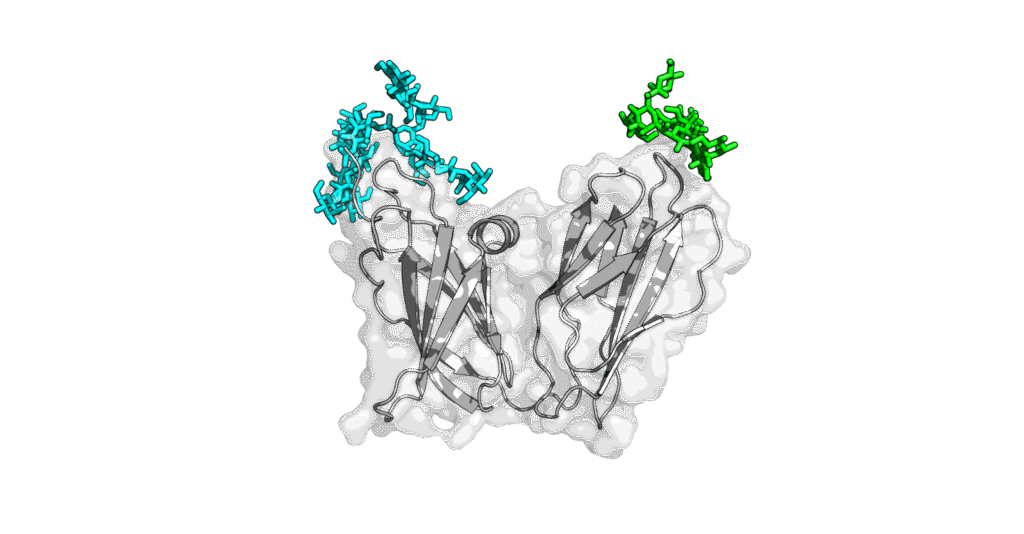
Glycans cover most of the biological surfaces. They’re what your body sees when it interacts with a biological drug! They are absolutely critical to protein design and function because they fundamentally influence a drug’s behavior, safety, and efficacy. The right glycosylation can have a massive impact. Some glycans increase drug efficacy by 50 to 100 times, nearly double patient survival in certain diseases.
Wrong glycans can be dangerous, potentially causing severe adverse events such as anaphylaxis. Controlling this critical quality attribute – as defined by the FDA – can ultimately make or break a therapeutic program.
Q: Why has glycoengineering been so hard?
Ben Kellman:
Conventional glycoengineering is incredibly hard because it’s historically been a slow, expensive process of cell line and media engineering, taking anywhere between 6 and 18 months – and still results in a highly heterogeneous product of up to 30 distinct glycoforms.
Q:….and why is glycoengineering with Augment Bio so easy?
Ben Kellman:
At Augment, we’re changing the glycoengineering paradigm with our landmark discovery of the genetic encoding for glycan biosynthesis. We’ve spent ten years understanding how protein shape controls glycosylation and have built an AI that can tell us how to make small protein sequence edits to yield valuable glycan changes.
Glycoengineering now becomes glycoprogramming, and Glycoprogramming is easy because it is written in DNA. It takes us 10 seconds to generate new variants on the computer – and only 2 weeks to get experimental validation. This allows us to genetically encode the desired glycan directly into the protein sequence with site-specific accuracy, transforming glycan control into a design solution from the very beginning of the drug design process.
Q: What’s your biggest achievement so far?
Ben Kellman:
We were able to program an antibody glycan that the people have been trying to engineer for 20 years. In 2 months of optimizing our AI and one month of experimental validation set, we were able to place a function-critical immune-modulating glycan on the Fc of an antibody – something that has been incredibly hard to do by any other way.
This has allowed us to create valuable IP on new antibody constructs that can increase half-life, decrease anti-drug immune reactions, and unlock powerful immune modulatory pathway that we can add to any monoclonal antibody concept across the over $200B monoclonal antibody market.
Q: What are your customers excited about?
Ben Kellman:
Our customers are excited about finally being able to fix serious problems in their advanced preclinical development programs, they’re excited about getting access to streamlined manufacturing. But our newest results on our flagship immune-modulating antibody glycan, where we actually showed a 10x improvement over state of the art, our partners are really excited, even on projects not focused on this modification because we showed what is possible.Potential partners are fast-tracking conversations to mature partnerships to access our technology platform sooner.
Q: What are the next challenges you’re solving?
Ben Kellman:
We’re starting in monoclonal antibodies, but we’ve got our sights set on mRNA therapies, vaccine antigens, enzyme replacement therapies, viral vectors. Ya know, types of drugs where we can unlock huge value if we can solve specific problems in half-life and immunogenicity.
For vaccines? We can dial up the immune response. For enzyme replacement therapies? We can dial it down and make them more active for longer. We can make all of this happen by applying our AI to new glycosylation problems.