

SOSV General Partner Po Bronson alongside other leading wellness industry investors spoke to Glossy about about what’s in and out when it comes to 2026 wellness investments.
Fiber Is In: There’s a growing wave of research unpacking the bioactivity of specific lipids and fibers, and that shift is beginning to transform how we think about everyday nutrition. While most people recognize the broad benefits of soluble and insoluble fiber, emerging science points to highly specific fibers that deliver outsized health effects — raising the question of how we isolate and incorporate more of those into our diets. SOSV portfolio companies including OneSkin (peptide skin care) and Antarka (a soon-to-be-released skin-care line focused on UV damage) are thinking deeply about fiber’s role in the wellness marketplace.
Protein for Aging: There’s a major white space in the protein market, especially around age-specific needs. “Things that are really good for us when we’re young can be bad for us at a certain age,” Po noted, emphasizing that newer research is moving away from a linear view of aging and toward understanding how the body’s needs shift over time. This more nuanced science is reshaping how nutrition is studied — and how the next generation of supplements is being developed.
Supporting GLP-1: Competing with GLP-1s is not good business in 2026, but products to aid in nutrition while on the drugs or during the tapering-off process could be a goldmine. Po anticipates that up to 30% of the world’s population will one day have tried GLP-1s, with many using them for only 18 months due to side effects like G.I. issues or nausea. These people, as well as those who stay on them for life, will need personalized support that deeply considers biological age.
Did you know?
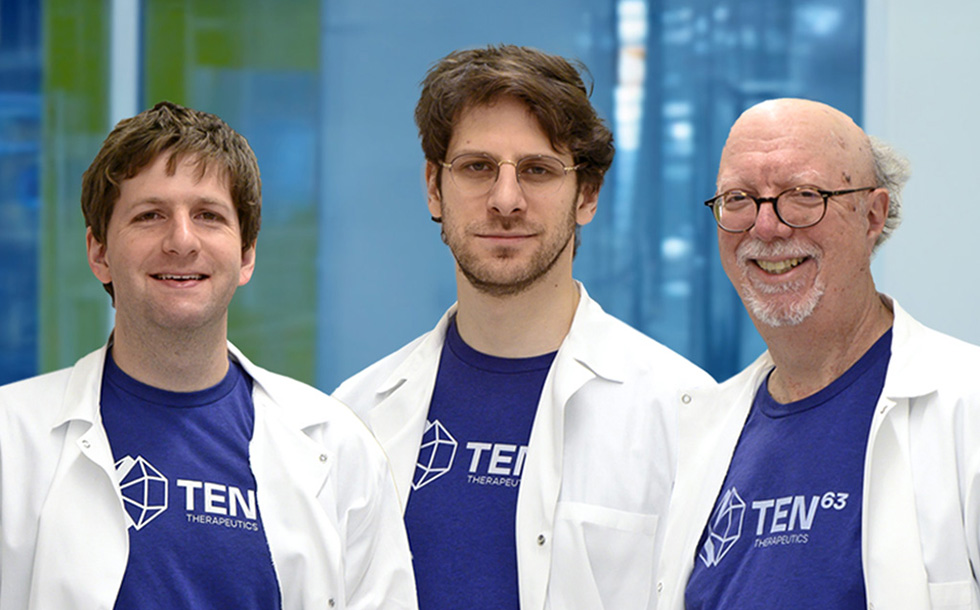
Bruce Donald, Marcel Frenkel and Mark Hallen are analyzing over 19,290,123 compounds per second at quantum accuracies to develop drugs to previously incurable cancers.
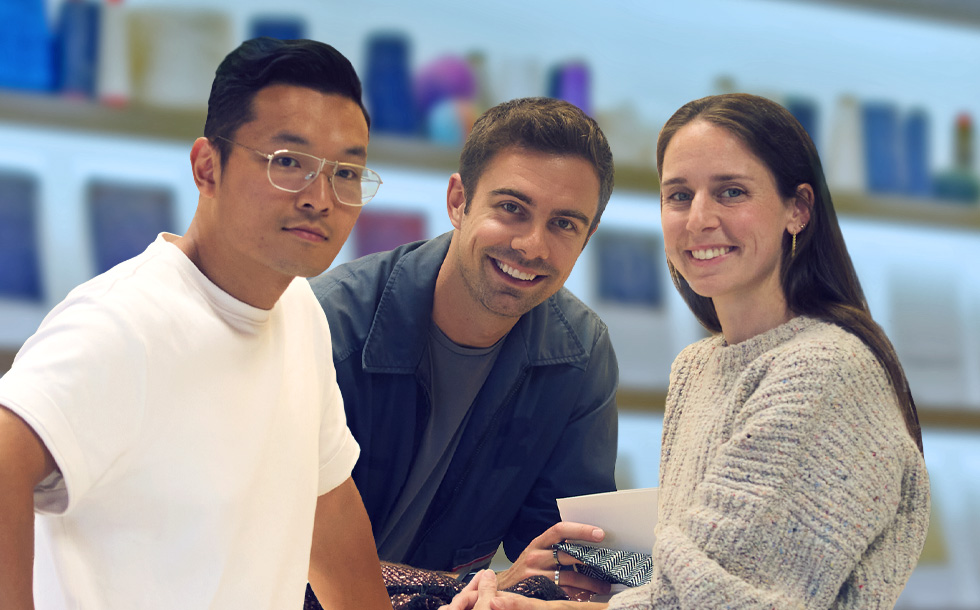
Funded with $57 million from DCVC, Lowercarbon Capital and SOSV, among others, unspun aims to eliminate 1% of global carbon emissions
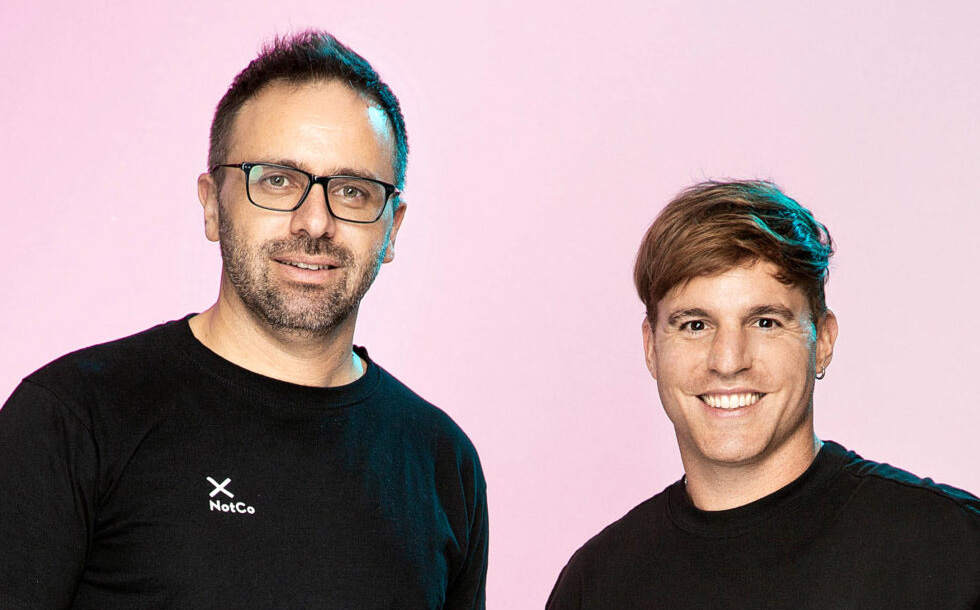
While it might look like a plant-based food company, NotCo is in the data and AI business—and aims to disrupt R&D in many industries that use animal and plant ingredients.
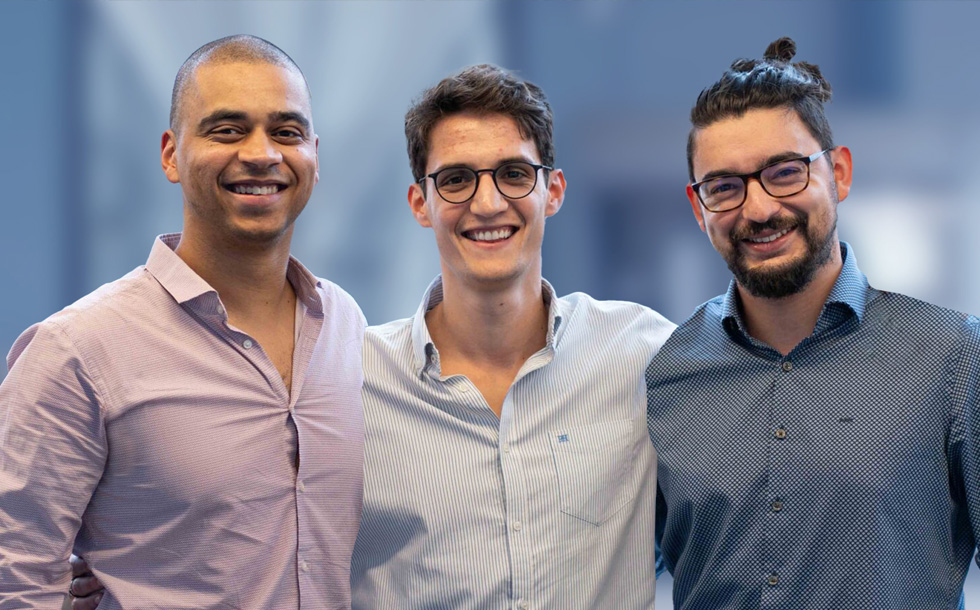
Gilberto Loureiro grew up inspecting fabrics in a Portuguese textile factory. With Smartex, he and co-founders Antonio Rocha and Paulo Ribeiro are eliminating textile defects—and their enormous cost both to manufacturers and the environment.
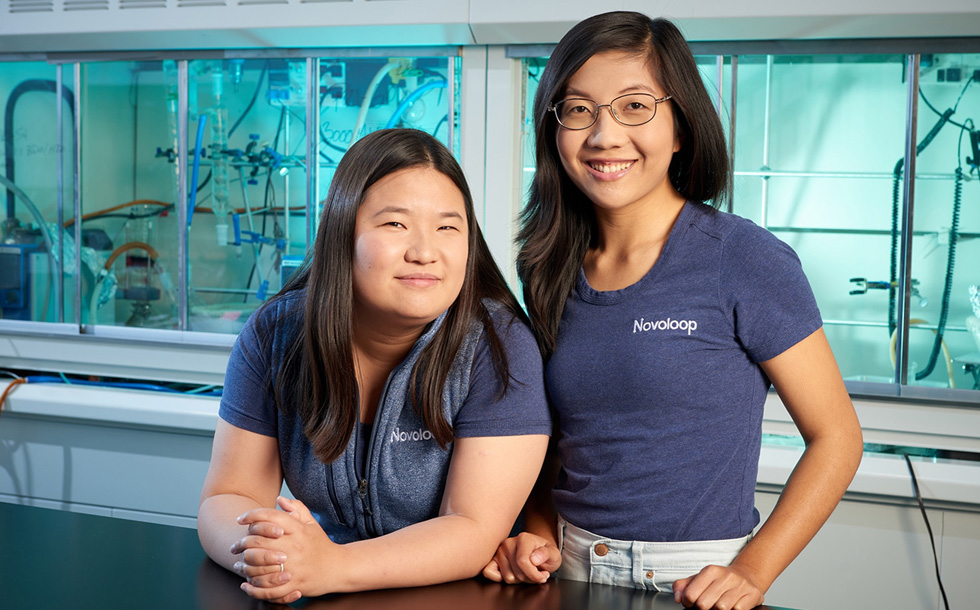
Miranda Wang and Jeanny Yao have an uncanny talent for finding value where others see waste. Their plastics upcycling company, Novoloop, just raised an $21m Series A to prove it.
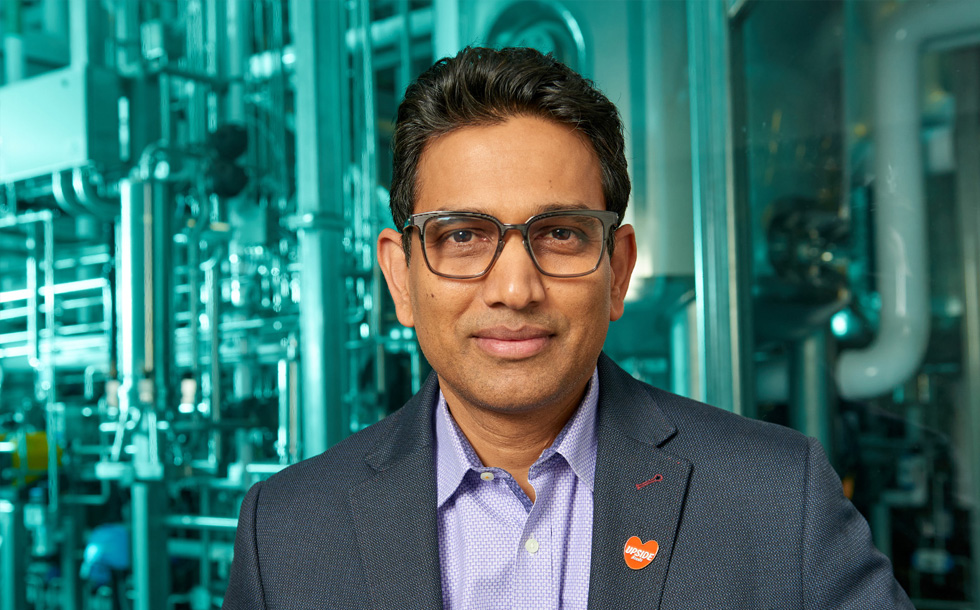
To find the future of food, you may have to look no further than Emeryville, CA, a small city by the San Francisco Bay, where Upside Foods has built a 53,000-square-foot production facility for cultivated meat, the first of its kind.
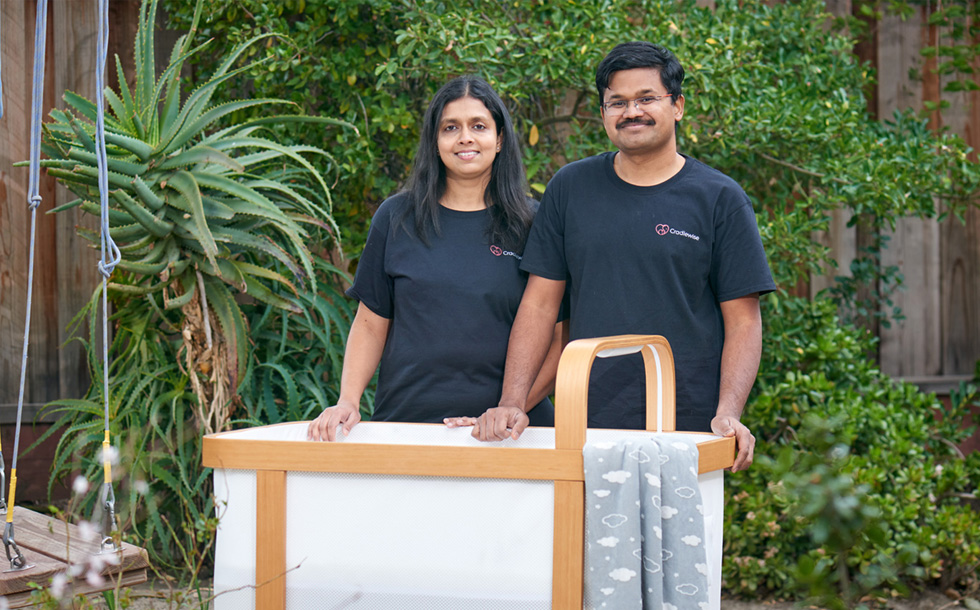
In a timeless dilemma for new parents, Radhika and her husband Bharath discovered early that their baby daughter was a fussy sleeper. The situation left them tired and frustrated; being effective at work became a challenge.
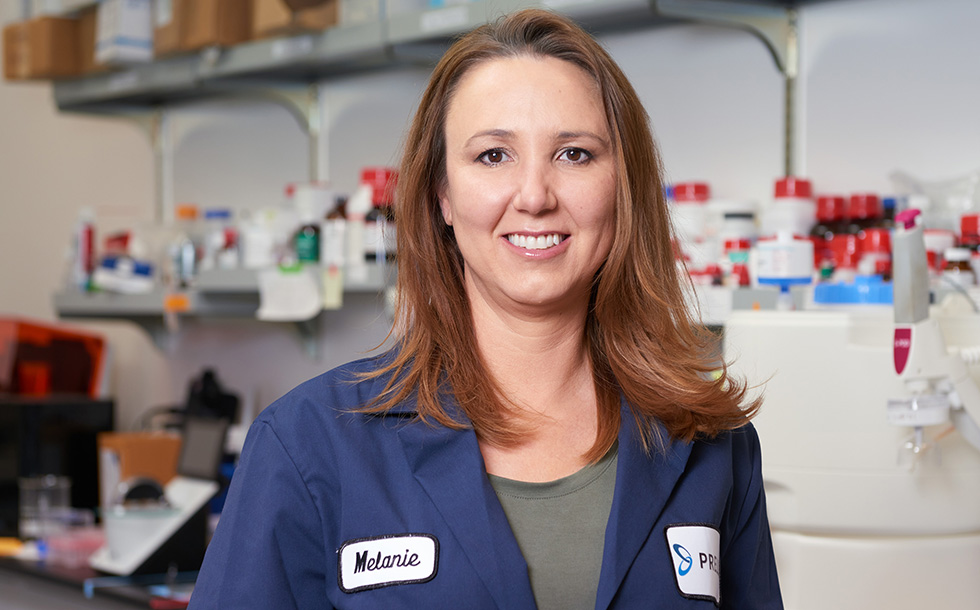
In December 2021 Prellis raised a $14.5 million Series B and has signed partnerships with pharmaceutical behemoths including Bristol Myers Squibb and Sanofi.
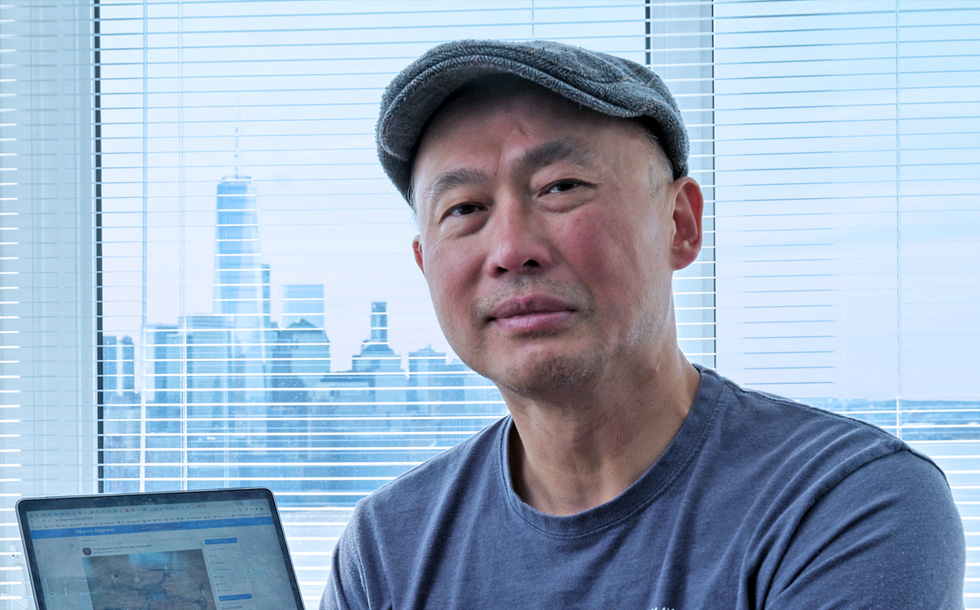
It was 2016, and Chiu Chau was on the ropes. He had pitched nearly 150 venture capital firms. No one would invest. Everyone doubted the startup with the open-source laboratory robot.
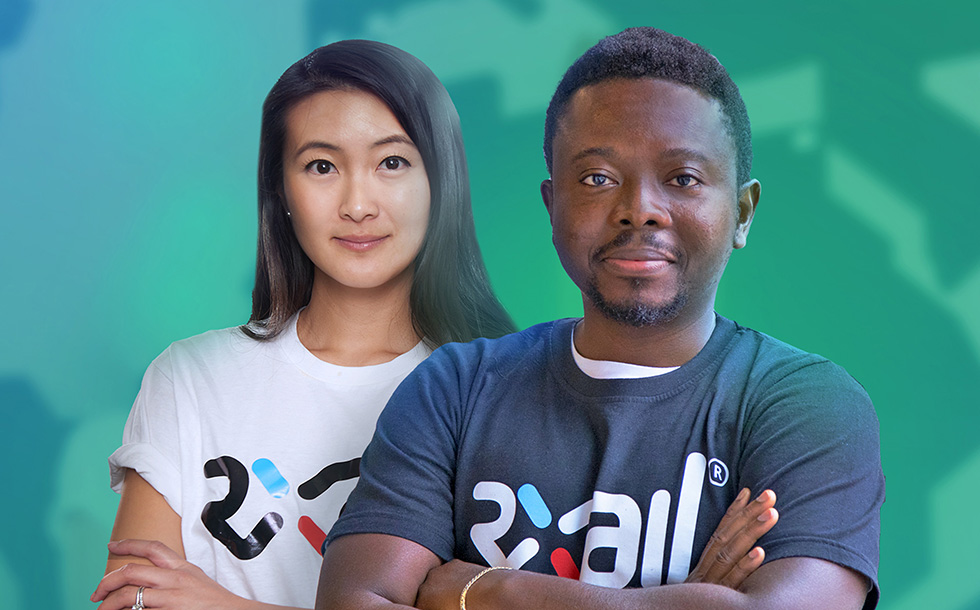
Adebayo (“Ade”) Alonge and Amy Kao, co-founders of RxAll had nvented a handheld scanner for detecting counterfeit prescription drugs—an illicit, multibillion-dollar industry that kills an estimated 1 million people annually globally and 100,000 in Africa.