
It’s no secret that water scarcity is massively reshaping core industries ranging from agriculture to energy.
Access to reliable precipitation is now a critical infrastructure priority with government programs, utility companies, and private capital scrambling to find solutions. Surprisingly, the problem is not from a lack of water in clouds. There’s more water in a single cumulus cloud than you think. Just an average cloud has over 1 million pounds of water in it. That’s the weight of 100 African elephants.
The real issue is: the water in the clouds needs to freeze before rain or snow can fall. So what’s the secret to reliable precipitation? It turns out the answer is warm ice. Meet SuperCool Earth, a team working to end global water bankruptcy.
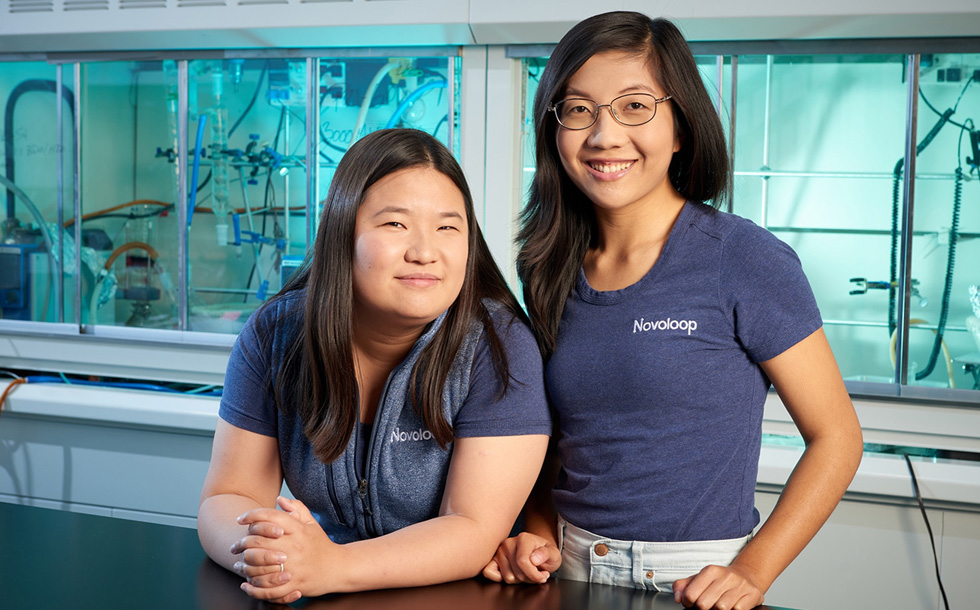
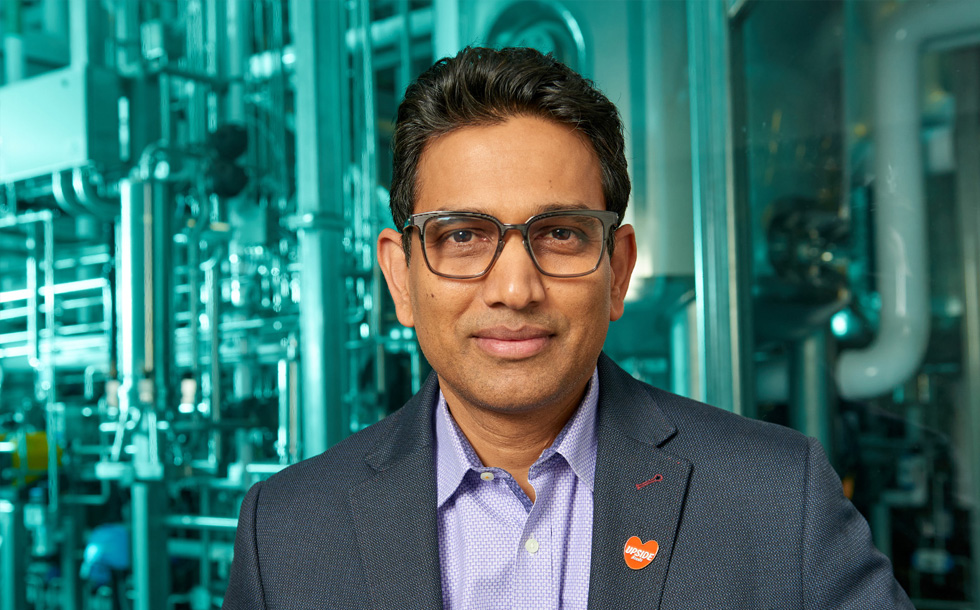
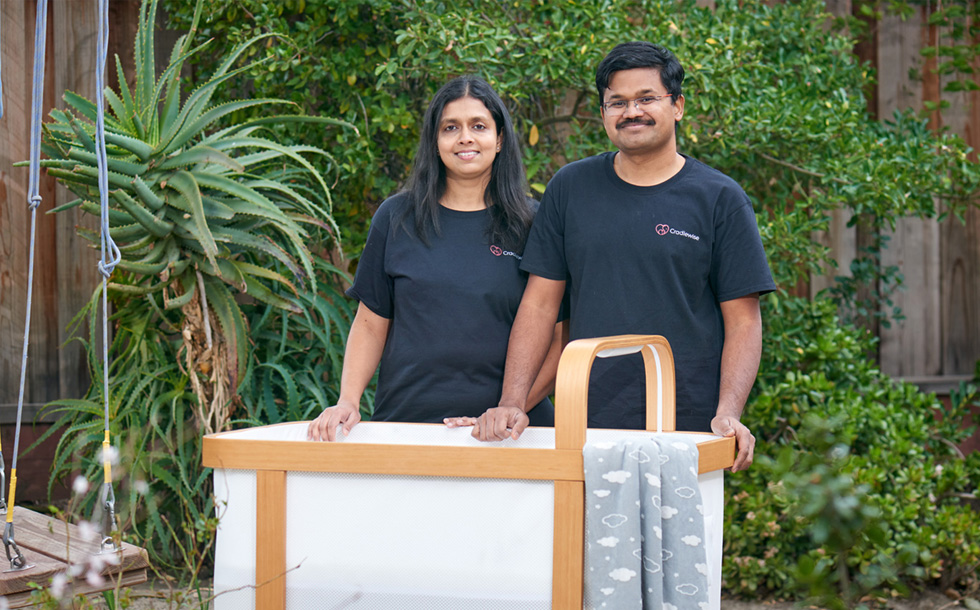
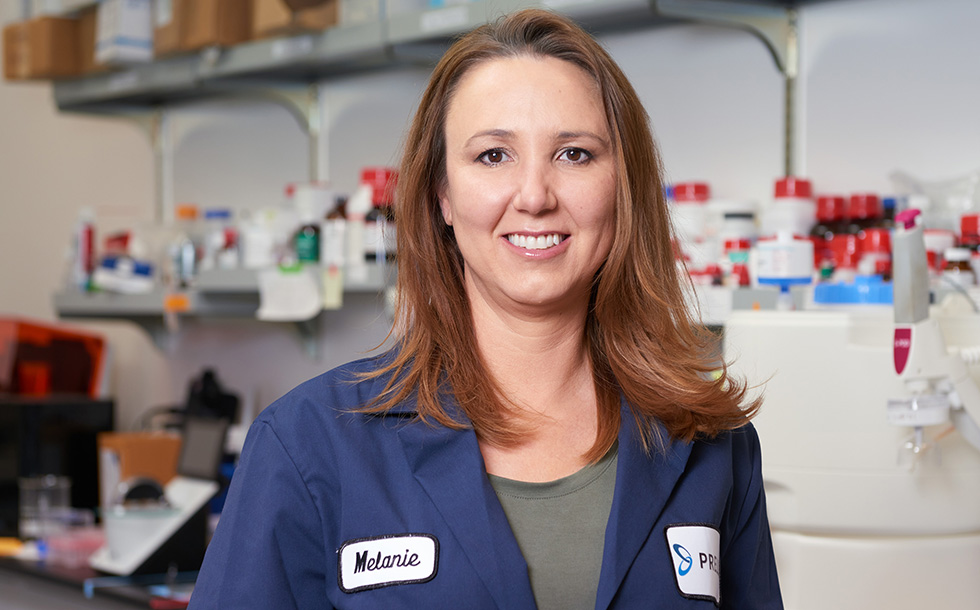
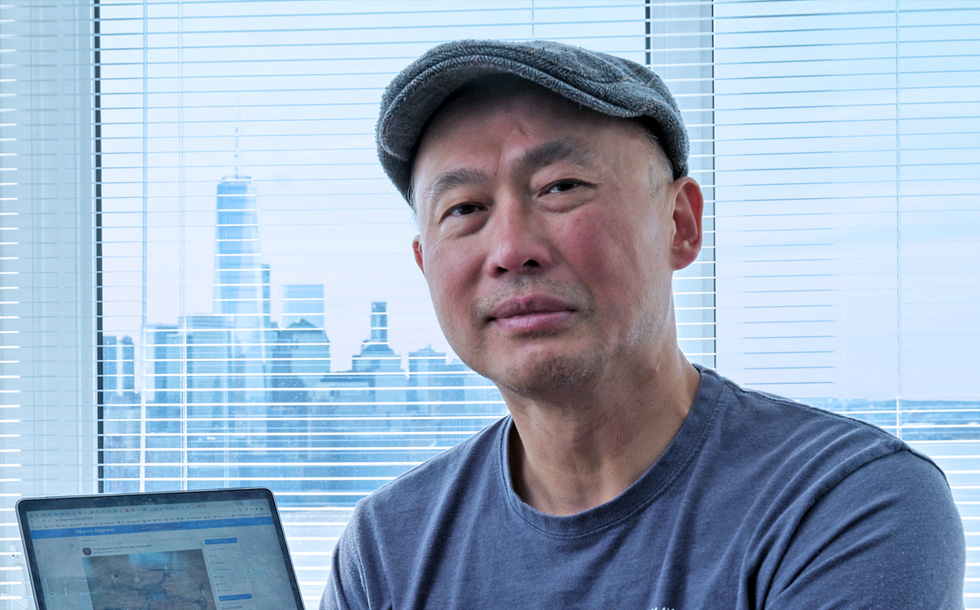
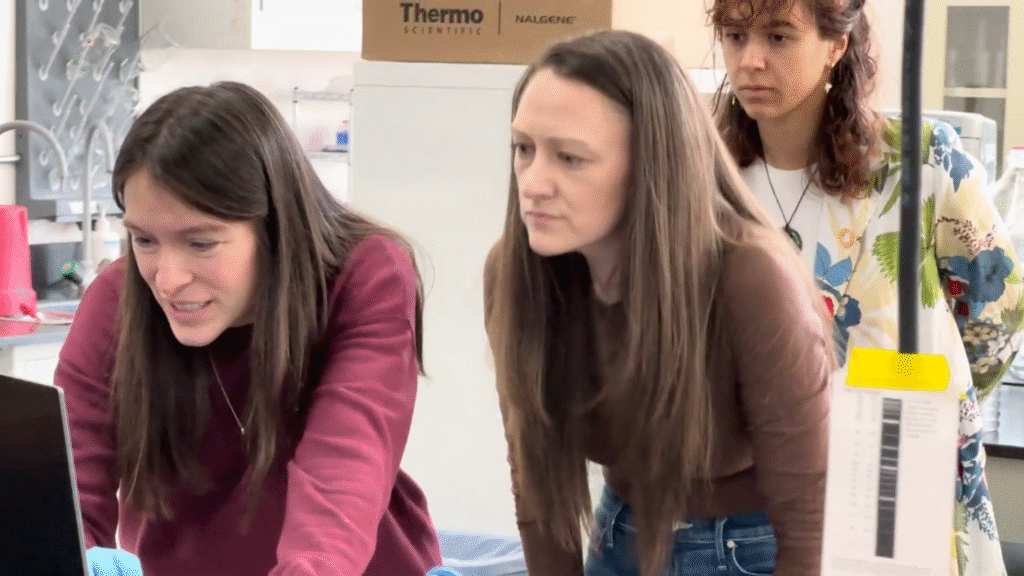
This interview took place in January 2026 with SuperCool Earth co-founders Dacia Leon, PhD (CEO) and Michelle Grau, PhD (CTO), and Tahlia Crabtree, MS (Head of Meteorology).
Q: What is cloud seeding, and why is it done?
Dacia Leon:
Many people may not know this, but most precipitation actually has to start out as ice in clouds. The water in the clouds must nucleate into ice crystals. These ice crystals grow larger and heavier until they finally fall and make precipitation, like rain or snow.
In cloud seeding, ice-nucleating agents are dispersed into clouds through drones, aircrafts, or ground-based generators to nucleate ice crystal formation.
Q: How does cloud seeding work and how do you know when to seed?
Tahlia Crabtree:
There are 3 main steps. First is to find the cloud, looking at a satellite and seeing where the weather is coming from. And then we send up balloons soundings to get a profile of the atmosphere. When the temperature looks right, we send the drone. So the drone goes to the altitude at the right temperature and then seeds the material
Q: What’s wrong with existing cloud seeding technologies?
Michelle Grau:
Silver iodide is a legacy chemical that only works in really cold clouds, 21 °F (-6 °C) or colder. That’s only 10% to 15% of clouds.
At Supercool, our product works in warmer clouds. The threshold is 28 °F (-2 °C). It doubles the number of clouds to target. This dramatically expands the use cases for cloud seeding, and the market size.
Q: Who wants to put chemicals into clouds?
Michelle Grau:
Well, silver iodide is a chemical, and yes, the market is seeing pushback.
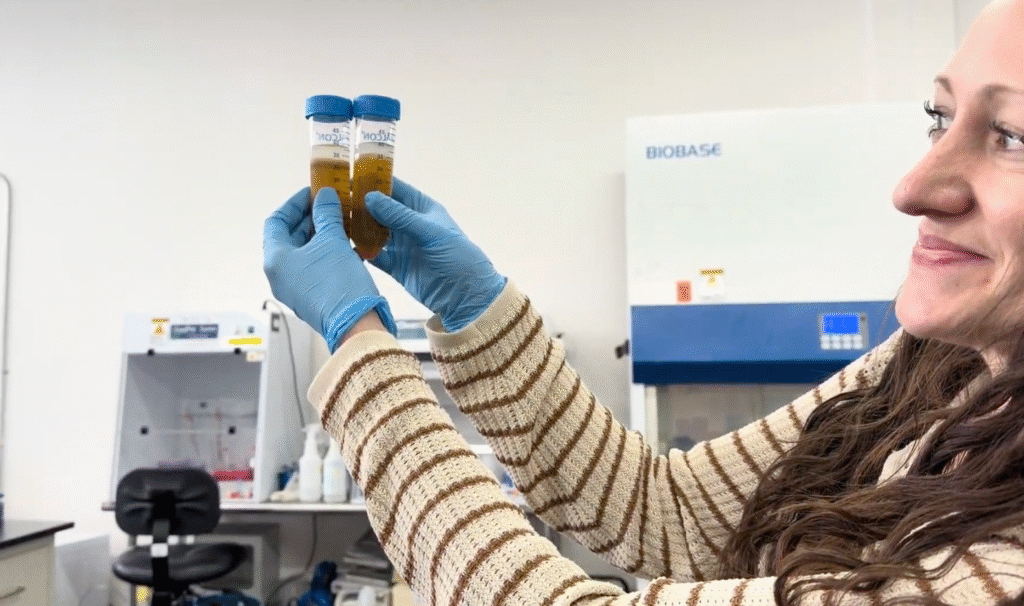
But Supercool’s agent is not a chemical. It’s a natural protein. And get this – it’s already naturally in clouds. We are really just increasing the concentration by delivering more.
Our protein is naturally made by soil microbes, so it’s present in all dust, which gets carried by winds and ends up in clouds, where it helps create rain and snow.
So Supercool is the most natural approach ever brought to this market.
Q: What is your go to market?
Dacia Leon:
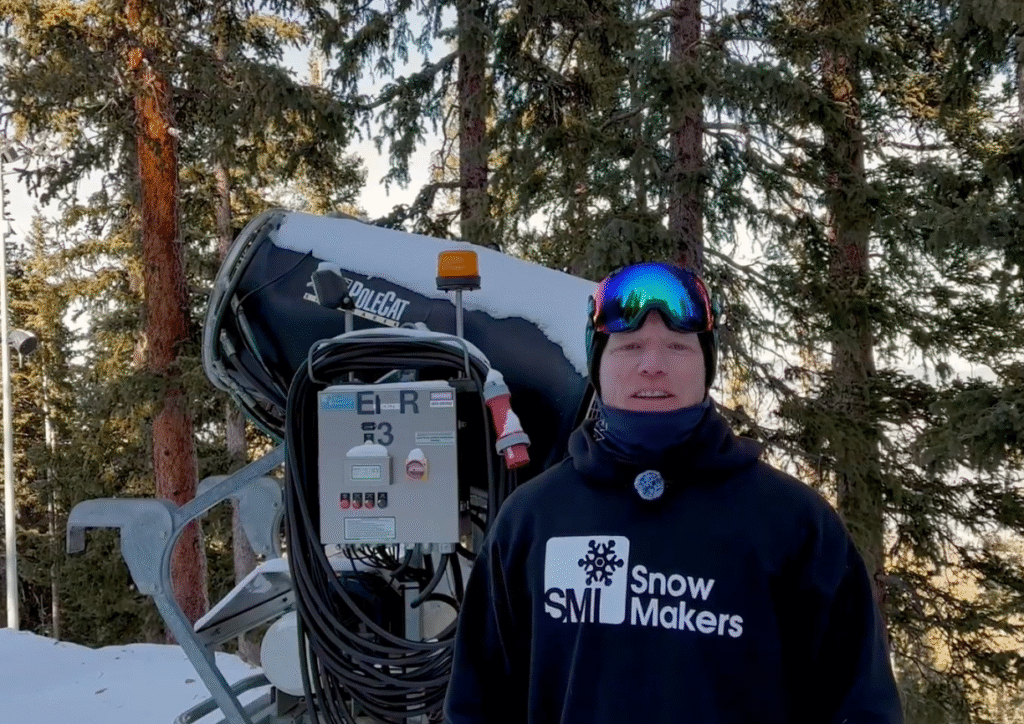
Our go-to market is ski resorts. Both to make the clouds snow and also as the agent for their ubiquitous snow guns that run all day and all night. The agent they use now is not shelf-stable and smells sulfurous, kinda like rotten eggs.
Resorts are ideal early partners for us and are big business. They want to expand their skiable days, expand their season, and cover more runs with powder. We already have two ski resorts we are partnering with this winter.
Q: How big can this really be?
Dacia Leon:
A single cloud seeding contract with a mid-sized ski resort represents a roughly 200 thousand dollar revenue opportunity. Many ski resorts are part of multi-resort conglomerates, which means we can quickly scale this across dozens of resorts upon successful pilots. We also only need to use a few grams of our protein per mission. This means that even in early commercial stages, we will have positive gross margins.
We can further expand to regional water management, working directly with water districts and utility companies, we’ll help increase precipitation over key basins where water is needed most.
We can further expand into industrial scale agriculture where traditional cloud seating materials typically fail. We are opening up cloud seeding to this market for the first time.
At Supercool Earth, we are tackling the global water scarcity issue head-on with our end-to-end cloud seeding solution.